Research Publications

My publications and reports, each linked with accompanying PDFs, preprints, and/or news pieces. See my CV for full list of publications and see here for my Research Themes.

Written by Oliver C. Stringham

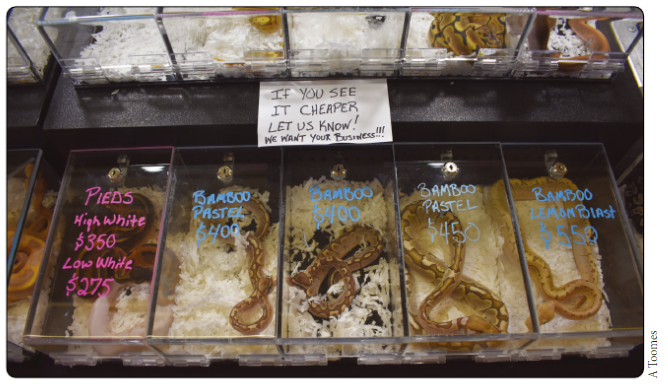
Australia’s wish list of exotic pets: biosecurity and conservation implications of desired alien and illegal pet species

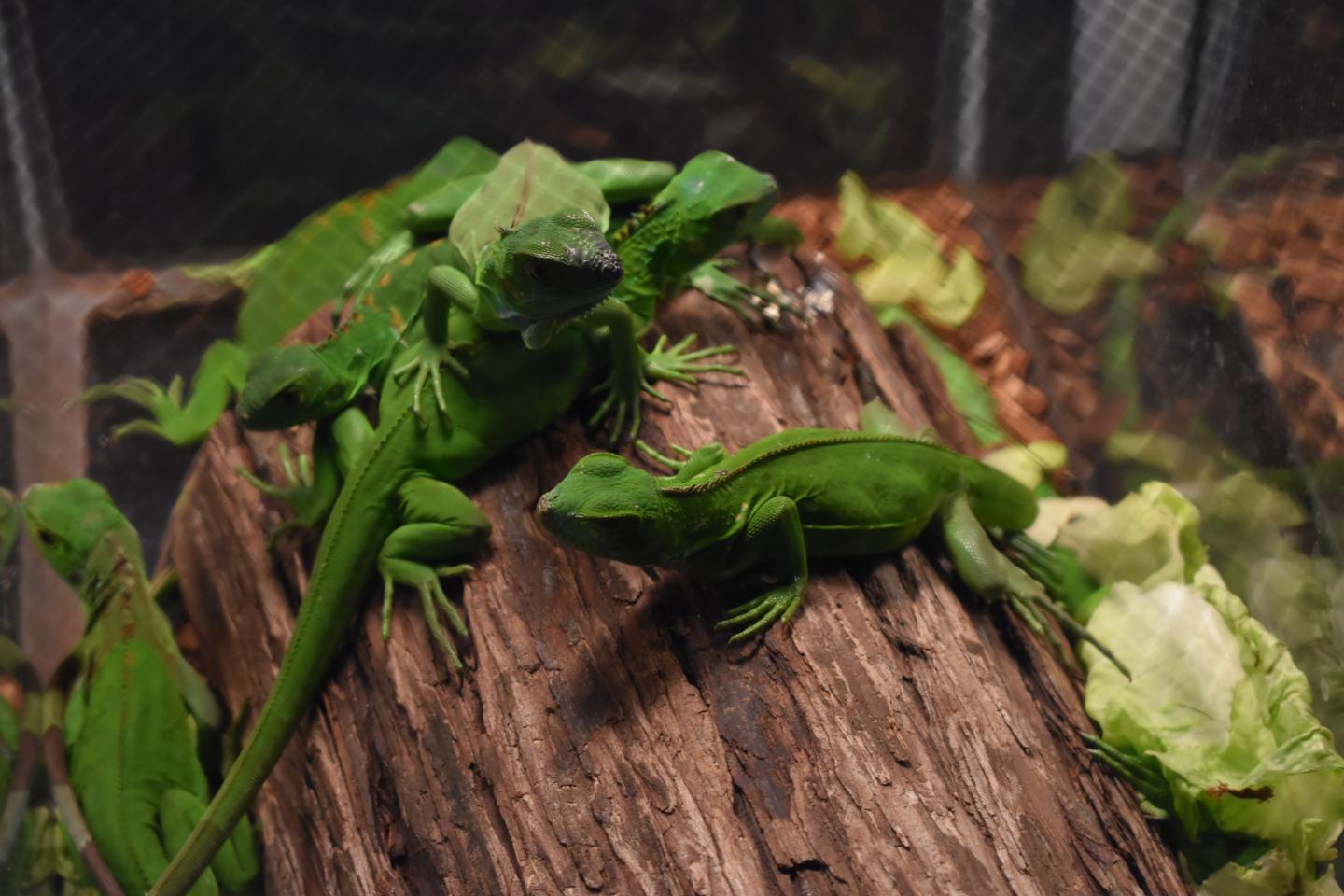
The live pet trade is a major pathways for invasive species. Australia imposes tough regulations against the trade of non-native animals as pets. However, there exists an illegal trade of these animals in Australia that threatens biosecurity. Here, we used government records of enquiries from the general public to assess the characteristics of species that are likely desired as pets. We found that desired species are more likely to invasive species elsewhere or at risk of extinction due to trade. Our findings suggest that in absence of strict laws, an unregulated pet trade would threaten Australian biosecurity and global conservation efforts.
By Adam Toomes, Oliver C. Stringham, Lewis Mitchell, Joshua V. Ross, Phillip Cassey in Research

August 18, 2020

Illegal Wildlife Trade: A Threat to Environmental Biosecurity, Biodiversity, Human Health and Wellbeing

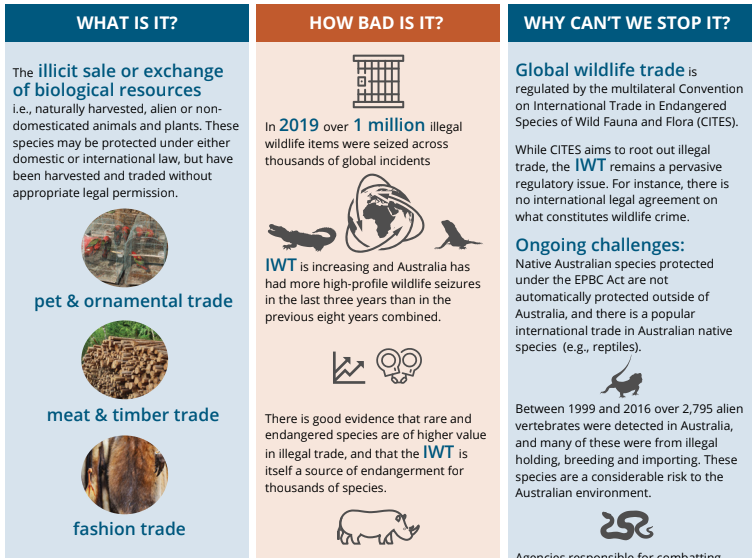
Illegal wildlife trade (IWT) directly threatens tens of thousands of species. It is critical that it is taken seriously in order to safeguard our environmental assets and provide resilient landscapes for our unique flora and fauna. Here, we provide an infographic of IWT including: what it is, how bad is it, why can’t we stop it, and solutions.

By Phill Cassey, Talia Wittmann, Adam Toomes, Oliver C. Stringham in Report

March 1, 2020

When pets become pests: the role of the exotic pet trade in producing invasive vertebrate animals

The exotic pet trade is a multi-billion dollar industry involving thousands of animal species. Research has historically focused only the conservation and disease risks, however the risk of pets becoming invasive species has been overlooked. We show this trade is now the leading contributor of non-native establishments and invasions worldwide among vertebrates. We highlight areas of future research/policy changes needed to avoid more invasive pets in the future.

By Julie L Lockwood, Dustin J Welbourne, Christina M Romagosa, Phillip Cassey, Nicholas E Mandrak, Angela Strecker, Brian Leung, Oliver C Stringham, Bradley Udell, Diane J Episcopio-Sturgeon, Michael F Tlusty, James Sinclair, Michael R Springborn, Elizabeth F Pienaar, Andrew L Rhyne, Reuben Keller in Research

June 3, 2019

Pet problems: Biological and economic factors that influence the release of alien reptiles and amphibians by pet owners

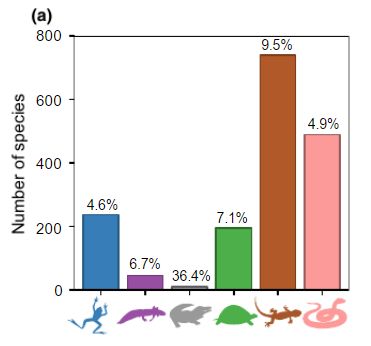
The trade of non-native animals as pets the main pathway for new invasive species if they become released into the wild. Here, we examined the trade in non-native reptiles and amphibians as pets in the United States. We found c. 1,700 species traded in the past two decades of which 126 species have been recorded as released in the wild. Using machine learning models, we show that larger-bodied, longer-lived species, who sold for cheaper prices were more likely to have been released. We propose policies and education focused on species with these characteristics in order to curb the impacts of new invasive species that originated as pets.

By Oliver C. Stringham & Julie L. Lockwood in Research

June 24, 2018

High annual survival in infected wildlife populations may veil a persistent extinction risk from disease

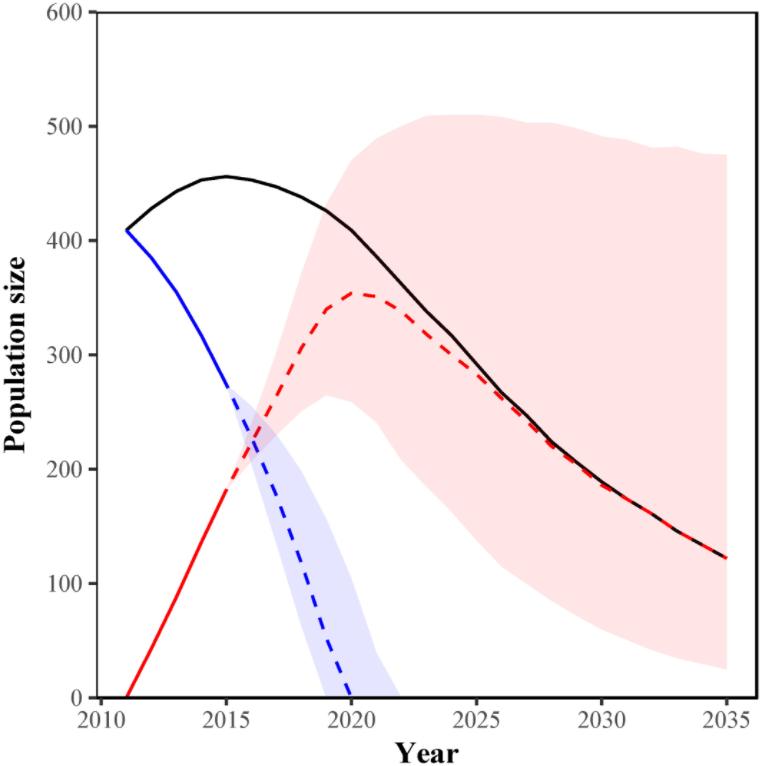
White-nose syndrome (WNS) has caused catastrophic declines in some bat species, while others appear less impacted. We conducted a mark–recapture study of federally endangered Indiana bats (Myotis sodalis) during 2011–2016 and found survival had decreased by around 4 percentage points. We ran population models based on new survival data and results suggested there will be future population declines for the Indiana bat.

By Brooke Maslo, Oliver C. Stringham, Amanda J. Bevan, Amanda Brumbaugh, Chris Sanders, MacKenzie Hall, Nina H. Fefferman in Research

September 27, 2017